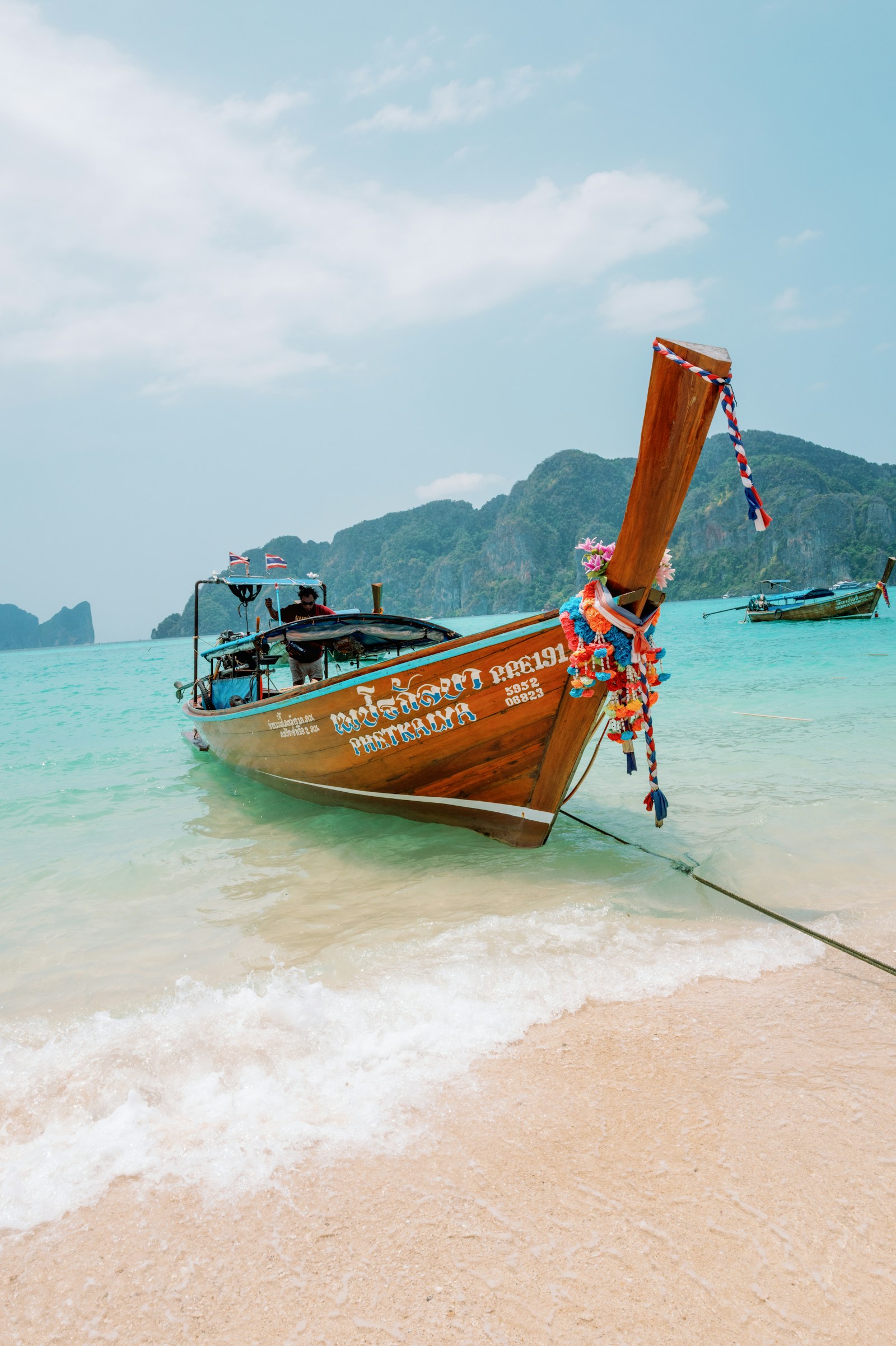
Travellers’ Diarrhoea Advice in Hampstead
Know what to pack—and when to get help.
Stomach illness can disrupt even a carefully planned trip. Speak to Hampstead Travel Clinic before travelling about food and water precautions, hydration and preparing a practical travel health kit.
28 Englands Lane, London NW3 4UE · 020 7722 1095
Inside Allchin Pharmacy. Call to confirm service availability and suitability.
Practical preparation for the places you want to explore.
What is travellers’ diarrhoea?
Travellers’ diarrhoea is a common illness during or after a trip. Germs in contaminated food or water can cause loose stools, cramps and sometimes nausea, vomiting or fever. Many episodes are mild, but losing fluid can become a particular concern for children, older people and those with health conditions.
Good hygiene reduces some risks but cannot offer complete protection. Preparing for illness is useful even when you take care over what you eat and drink.
Practical preparation
Wash hands with soap and safe water before eating and after using the toilet.
Choose food that is freshly cooked and served hot, and use safe drinking water.
Consider packing oral rehydration sachets and know how to prepare them with safe water.
Identify where you could obtain medical help, especially on a remote itinerary.
Ask the pharmacist which items are appropriate for the people travelling. A kit for a healthy adult may not be suitable for a child, someone who is pregnant or a person with an ongoing medical condition.
If diarrhoea develops
Replacing lost fluid is the priority. Take frequent drinks; small sips can be easier if you feel sick. Use oral rehydration products according to their instructions when advised. Seek help early if you cannot keep fluids down or develop signs of dehydration.
Medicines that temporarily reduce diarrhoea are not suitable for everyone, particularly with blood in the stool or a high temperature. Do not treat severe symptoms simply to continue an activity or transfer.
Antibiotics are not routinely needed and are not recommended as routine prevention for most travellers. Any standby prescription needs a careful risk assessment and clear instructions about when to use it and when to get help.
Discuss your trip with the clinic
Bring your itinerary and medicines list. Mention remote destinations, previous serious diarrhoea, allergies and conditions that could make dehydration more dangerous. Ask the team to confirm service availability, eligibility and charges before booking.
If symptoms begin during your journey or after returning, tell the clinician where you travelled and when the illness started. This page and a pre-travel consultation do not replace an assessment when you are unwell.
Common questions
Should everyone carry antibiotics?
No. Whether standby treatment is appropriate depends on your health, destination and access to medical care. It is not a standard requirement for every holiday.
Will travel vaccines prevent all diarrhoea?
No. Travel vaccination advice and food-and-water advice address different risks. Do not rely on a vaccine as protection against every cause of stomach illness.
What about children?
Children can become dehydrated quickly. Get age-appropriate advice before travelling and seek medical help early if a child is unwell or cannot drink normally.
Let’s talk about your plans.
Contact Hampstead Travel Clinic inside Allchin Pharmacy. Let the team know which service you are interested in so they can advise on the appropriate appointment.
Also preparing for travel? Explore our travel vaccination services and malaria advice.